Table Of Content

This is because it reveals Zorn’s famous limited palette, of titanium white, yellow ochre, vermilion or cadmium red, and ivory black. When planning your artwork, focus on one, two or three types of contrast. For example, you could create a painting with a limited colour palette, muted colours but a high value contrast.
How to Create and Distribute 50+ Ads From a Single Figma Design in Minutes
Image alt-text is, as the name suggests, alternative text to describe an image when, for any reason, it can’t be viewed. This is a great accessibility practice, especially for those with visual impairments, and, as an added bonus, is also beneficial for SEO (search engine optimization, or making sure your website ranks well on Google). That’s because, at least for now, search engines cannot see your images—they need them described.
Best Branding Books You Should Read
These tools can automatically check if the contrast between the text and the background meets the AA or AAA standards. It’s important to note that the Law of Contrast should be applied thoughtfully. While high contrast can be beneficial, overly stark contrasts might make the interface harsh and challenging to engage with for long periods. Moreover, designers should consider users with visual impairments and ensure that the contrast is sufficient for them.
When is contrast most effective in design?
As you already know from the previous section about types of contrast in art, there are a number of ways to create contrast, with colour, value and texture. Contrast is a compositional element in art and a principle of art and design. Artists can use contrast to create their intended effect, whether that is one of balance, or dynamism. By altering the difference between colour and value in an artwork, you can create a sense of realism, or abstraction, and produce a harmonious or discordant image. Imagine a design layout only made by text, and now imagine that text is the same through all the design, really boring right? There are two ways of applying type contrast, ad the first one is to choose two or more fonts for your design, being the header one font that focuses more attention and the body text use a more readable font.
Foster + Baylis and Contrast join to create a unified global design agency. - PR Newswire UK
Foster + Baylis and Contrast join to create a unified global design agency..
Posted: Tue, 13 Feb 2024 08:00:00 GMT [source]
One way to do create a sense of rhythm in an artwork, is to use spacing between contrasted elements. Saint Jerome Writing by Caravaggio is an excellent example of contrast in art. He used the chiaroscuro technique, which is the contrast of light and dark. The light areas help to focus the viewer’s attention on the subject, while the dark areas create a sense of depth.
The law that helps you read better on websites
Paired with other principles like proximity, it can really drive a design’s message home. Contrast is important in art because it helps to create a sense of movement, tension and focus. It can also be used to create a sense of balance or rhythm in a painting. By using contrasting colours, values or textures, an artist can guide the viewer’s eye around the composition. It helps artists create meaning and depict their subject in the way that they intend.
Eight home interiors where mezzanines maximise usable space
In the image below, you can see a very simple example of contrast of size. It feels natural; something big beside something small will indicate the big item is far more significant. Let’s take a closer look at a real-world example to illustrate the power of contrast within the principles of repetition and rhythm. Imagine a website for an art gallery, dedicated to showcasing a diverse range of artistic styles and periods.
Excessive contrast can clutter and confuse, while too little can render a design bland and uninteresting. Achieving equilibrium means smoothly guiding the viewer's focus from one element to another, crafting a harmonious and compelling design. This is where the art of contrast proves its ability to captivate all aspects of a story, rather than one.
But the two lines of text that exist on this page have contrast in them. Yes, notice closely how the last line “Ornamental flowers of North America” is in a completely different font. This is to show the nature of the product the brand is pitching and to fully connect with its vibe to the audience. In this example too, the shapes of the text boxes vary, but those with similar characteristics remain the same. This brings contrast and uniformity to the design, making it pleasant and engaging.
Chiaroscuro is a technique that uses contrast to create the illusion of light and shadow. It is often used in figurative paintings, where the use of light and dark colours can give the impression of three-dimensionality. When you’re working with contrast, it can be easy to get carried away, but it’s important not to overdo it.
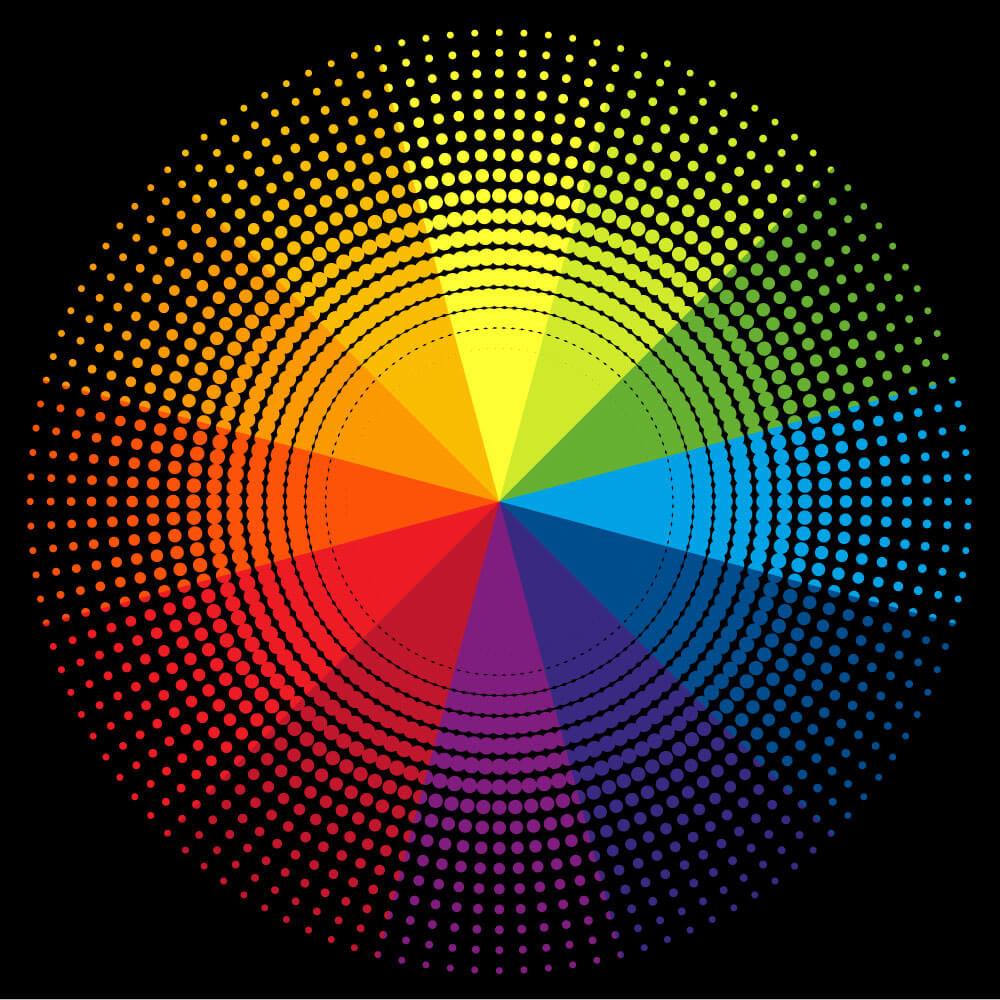
Its black background makes the vibrant thumbnails of shows and movies stand out, enticing viewers to click and watch. The search bar, set against a stark white background, is the focal point, emphasizing the company’s core service. These guidelines make sure that the contrast is strong enough so the content is accessible to as many people as possible, including those with visual impairments like color blindness or low vision. The scattered, spontaneous distribution of circles that weave through the website add refreshing, gradient colors to what would otherwise be a completely monochrome color scheme.
It’s not hard to see why when you consider how different sharp, angled corners can seem from smooth, rounded edges. This type of contrast is most often seen with furniture, but it can also be used with accessories like mirrors or even through various types of wall art. You may want to consider this tip if you favor aesthetics that rely heavily on geometric shapes like mid-century modern or Scandinavian. An eclectic design, which favors mixing-and-matching different styles, would also be a good fit. Whichever look you decide on, this is one area where balance makes all the difference. Make sure you have a relatively simple background, meaning one with muted colors and simple materials so you make it easy for shape to take center stage.
And is usually a combination of all those types of contrasts that will create a good design. Adding good contrast in your artwork is necessary to ensure that it will not be boring. Remember that is all about the message you want to transmit to your audience, so using good contrast will help you create visual interest in your composition. Complementary colours can also be used to create high contrast without being too jarring.
Whether you are painting or drawing, it’s a good idea to start the artwork with a light pencil layer. This way you can map out where you want all the different elements to go. This only works with thicker mediums that can add three dimensionality to a piece, like oil paint or heavy body acrylics. One tool that can be really useful is a value finder—match values on the card to the values in your artwork. You can use it whilst mixing colours, or use it to match values in your art to the values in your reference.
Thank goodness we were both O.K., but it’s odd the things that flash through your mind in an accident. Design principles may sound like something only designers need to worry about. But when you work in the field of marketing, any design knowledge can prove helpful. Besides, it helps you appreciate your designs and your peers’ designs better. This will only result in you creating better output as time goes on.
However, in this case, we mean purposefully choosing items that feel distinct from each other. This can either refer to what material the product is made of or how the product looks. For furniture, think about mixing natural materials like wood and stone against metals like chrome and steel. Likewise, when you’re concentrating on fabrics, think about choosing some patterned items while others are simply a solid color. Some users need unique accommodations like larger text, even higher levels of contrast or dyslexia-specific fonts.


No comments:
Post a Comment